


The Benefits of Hydration for Seniors

We all know that staying hydrated is kind of a big deal. But as we age, hydration becomes a really, really big deal. Our sense of thirst decreases, our kidney function changes, and we might even take medications that can cause dehydration. The good news? Just remember to drink more water. Let’s dive deeper into […]
Senior woman smiling while holding a glass of water at The Plaza Assisted Living.

We all know that staying hydrated is kind of a big deal. But as we age, hydration becomes a really, really big deal. Our sense of thirst decreases, our kidney function changes, and we might even take medications that can cause dehydration. The good news? Just remember to drink more water. Let’s dive deeper into the importance of hydration.  

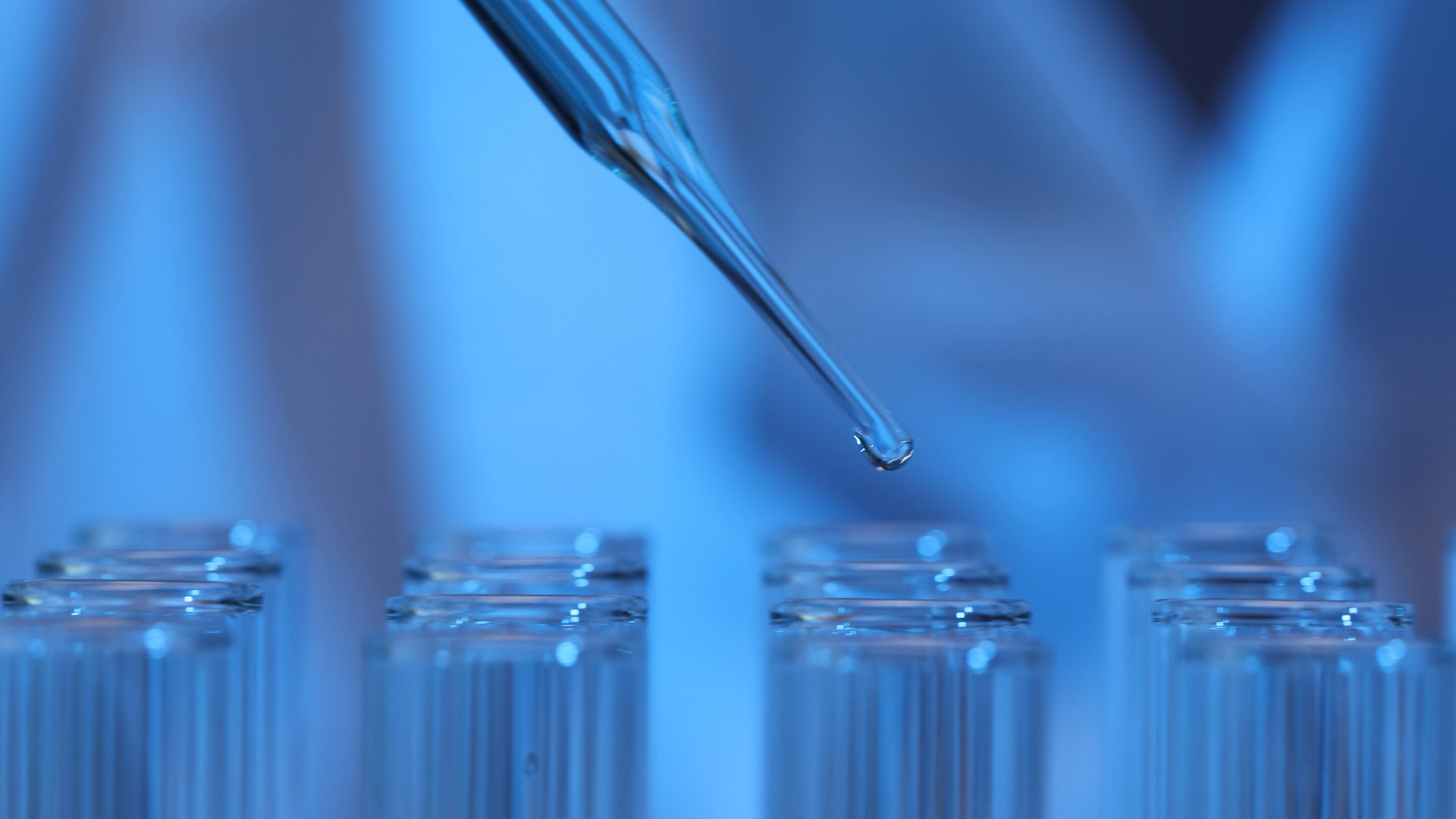
Macro of a pipette and test tubes for clinical wellness standards.

Dehydration in the elderly can jeopardize metabolic health, raise stress hormone levels, and speed up biological aging. It can also affect the gut microbiome, which can slow down metabolism and lead to inflammation. Staying hydrated is especially crucial for decreasing the risk of conditions like dementia, stroke, and heart disease.  

The healing power of drinking water goes even further. Recent studies have shown that good hydration in the elderly can even help overcome preexisting health conditions. For example, increasing water intake can improve blood sugar control and insulin sensitivity—even for those at risk of metabolic disorders like diabetes, obesity, and high blood pressure.

So what are our go-to tips staying hydrated?

Here’s what we recommend:

Seniors should drink at least two liters of water every day

Set up visible reminders, like sticky notes, to drink water

Keep a water bottle on hand that can be refilled regularly 

Avoid sugary drinks like soda and juice

Stay mindful of medications that cause dehydration

For more information, or to book a tour, contact our friendly staff at The Plaza Assisted Living.

related articles

Your next chapter