
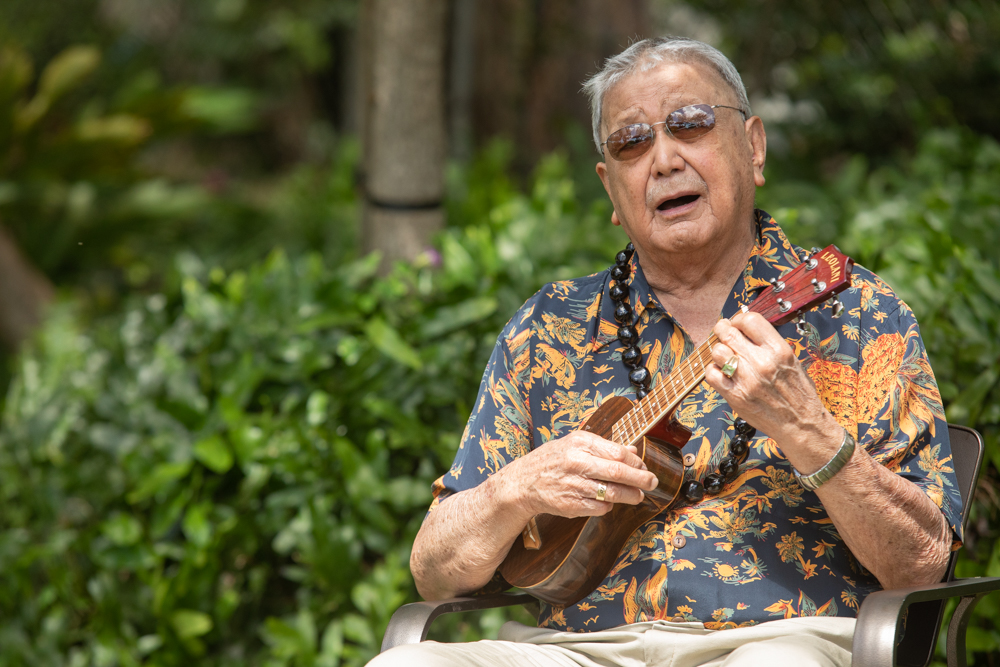
If someone you love has been diagnosed with dementia, you've likely felt the ground shift under your family. There's grief in it, and fear, and a hundred practical questions all at once. In Hawaiʻi, there's also something steady to hold onto: the deep value we place on caring for our kūpuna, and the understanding that ʻohana carries this together.
This guide is meant to be a starting point. It won't answer everything, because every family and every diagnosis is different. But it can help you get your footing, care well day to day, and know where to turn when you need more support. Come back to it whenever you need to.
Start by learning what you're facing
Dementia isn't a single thing. It's an umbrella term for conditions that affect memory, thinking, and daily function, with Alzheimer's disease being the most common. It's progressive, meaning it changes over time, and the pace is different for everyone.
You don't need to become a medical expert. But learning the basics of your loved one's specific diagnosis, from their doctor and from trusted sources, will help you understand the changes as they come instead of being blindsided by them. The Alzheimer's Association is a good, free place to start, and we've listed their helpline at the end of this guide.
David Troxel, co-author of The Best Friends Approach to Dementia Care, on the first four things to do after a diagnosis.
Daily care that actually helps
Once the shock settles, life becomes a series of ordinary days. A few principles make those days go better for everyone.
Keep a predictable routine. Familiar rhythms, meals, rest, and activities at consistent times reduce anxiety, because routine does the remembering when memory can't.
Simplify the day and the home. Fewer choices and less clutter mean less confusion. Lay out clothes, keep frequently used items in the same spot, and reduce background noise.
Meet them in their reality. If your mom believes it's 1975, arguing won't bring her to the present. It'll only upset you both. Step into her world instead, and follow the feeling underneath the words.
Watch for the late-afternoon shift. Many people with dementia get more anxious or agitated in the late day, sometimes called sundowning. Plan calmer activities and more presence during those hours.
Use their life story. The music they love, the places they lived, the people they raised. These are tools. When a moment turns hard, something familiar can bring comfort faster than any explanation. This is the same idea at the heart of the Best Friends Approach® we use in our memory care communities.
Time outdoors, music, purposeful chores, and art projects. As David puts it, boredom is the enemy.
Take care of the caregiver too
Here's the truth families in the islands don't say often enough: you cannot pour from an empty cup. Caring for someone with dementia is one of the most demanding roles there is, and the people who do it face the highest levels of stress and burnout of any caregivers.
Hawaiʻi has one of the longest life expectancies in the nation, which is a blessing and also means more of us will care for aging parents for longer. State estimates put the number of family caregivers in Hawaiʻi at roughly 154,000, and by 2045 nearly one in four residents will be 65 or older. If you feel stretched thin, you are far from alone, and asking for help is not giving up. It's how you keep going.
Build in respite. Accept the offers of siblings and friends. Guard your own sleep and health. And use the resources below, which exist for exactly this reason.
Local resources for Hawaiʻi families
You don't have to find your way through this alone. These are good first calls.
- Hawaiʻi Aging and Disability Resource Center (ADRC). A statewide, no-cost front door to long-term support for older adults and family caregivers. They can help you understand benefits, find services, and plan ahead. Statewide line: (808) 643-2372.
- Alzheimer's Association 24/7 Helpline. Free, confidential support any hour of the day, staffed by people who understand dementia. (800) 272-3900.
- Aloha United Way 211. Dial 211 for a statewide directory of community services, from transportation to financial help.
- Kupuna Care. A state program that helps non-Medicaid-eligible residents age 60 and older with home and community-based services. You can ask the ADRC whether your loved one qualifies.
Keep these numbers somewhere easy to find. On a hard day, having them within reach makes a difference.
Knowing when home care isn't enough
For a while, family and in-home help may be enough. Over time, for many families, it isn't, and that's not a failure of love. Dementia's needs eventually outgrow what any household can safely provide around the clock.
If you're starting to wonder whether you've reached that point, our guide 10 Signs It May Be Time to Consider Memory Care walks through the honest signals to watch for. It's the piece families often read together before making a decision.
When you do start looking at options, it helps to understand the landscape. What Is Memory Care vs. Assisted Living? explains the difference in plain terms, so you know what kind of care actually fits. And when you're ready to visit communities, What to Look for When Touring a Memory Care Community on Oʻahu gives you a checklist to bring along, so you can tell great care from a good first impression.
David Troxel on safety, socialization, and personal care, and on what changes for families once a care team shares the load.
How The Plaza supports Hawaiʻi ʻohana
When home care is no longer enough, Haliʻa Memory Care at The Plaza is here. Haliʻa means a cherished memory, and our care is built to honor exactly that, the whole person your loved one has always been.
Every Haliʻa neighborhood runs on the Best Friends Approach®, which we've practiced for 10 years, with a Certified Best Friends Master Trainer on staff at each of our six Oʻahu communities in Kaneohe, Mililani, Moanalua, Pearl City, Punchbowl, and Waikiki. It's relationship-based care that fits the way we already look after one another here, with respect, connection, and aloha.
Choosing memory care doesn't end your role in your loved one's life. It gives you back the parts that matter most. Instead of managing medications and safety around the clock, you get to be a daughter, a son, or a spouse again.
Whenever you're ready, we're glad to help you think it through. Schedule a tour or reach out to us, with no pressure and no rush.
Frequently asked questions
How do I care for a parent with dementia at home? +
What financial help is available for dementia care in Hawaiʻi? +
How do I keep a loved one with dementia safe at home? +
When should a person with dementia move to memory care? +
See Haliʻa Memory Care for yourself
Every question on this page is easier to answer in person. Visit the Plaza community nearest you, with no pressure and no rush.